
Project: THE RETURN OF NATURAL GRAZING
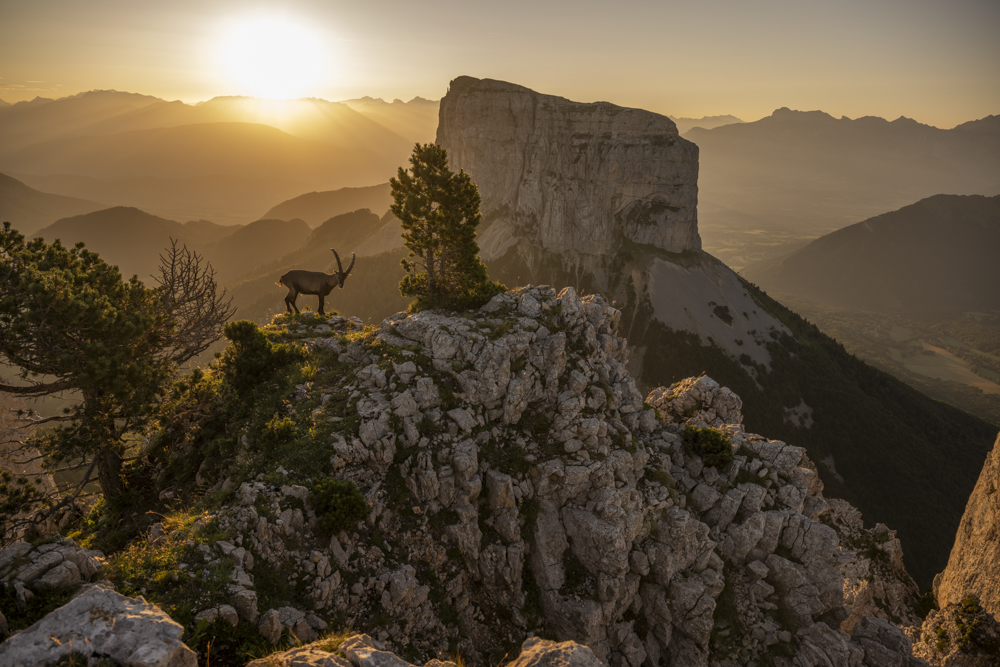
The project focuses on restoring natural grazing in the Dauphiné Alps through the reintroduction of wild horses and cattle. Its aim is to restore biodiversity, create more resilient landscapes and reduce the risk of wildfires by allowing natural grazing processes to shape the landscape.
Supports:
- Biodiversity – Preserve natural ecosystems and life on Earth
- Protect Wildlife – Safeguard endangered species and habitats
- Community Wellbeing – Ensure healthy living and quality of life for all
The problem
The abandonment of traditional grazing and farming practices has allowed vegetation to become denser, leading to the loss of open and semi-open habitats, declining biodiversity and increased wildfire risk. The project addresses this by restoring the ecological role of large herbivores, which naturally shape vegetation and create a diverse landscape.This is particularly important in the face of increasing wildfire risk and landscape changes caused by land abandonment.
The solution
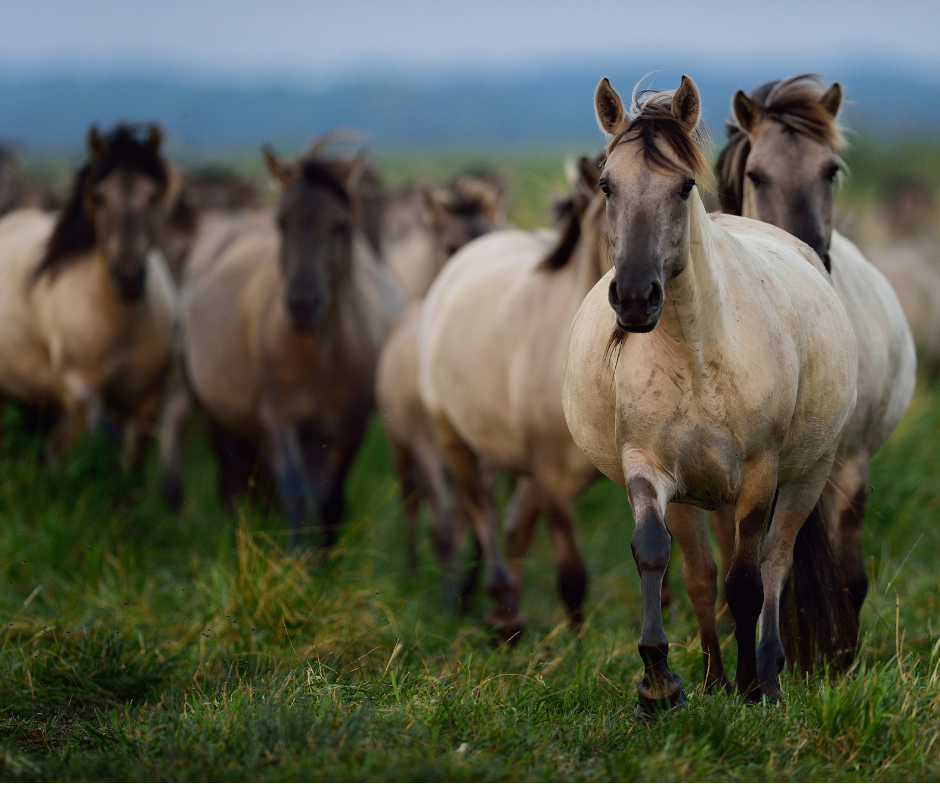
In the Drôme region of France, Rewilding France is creating a 170-hectare pilot site under a 99-year conservation agreement, to restore a missing ecological function: natural grazing by large herbivores. Konik horses were introduced in October 2026, followed by Galloway cattle in 2027. The animals will move freely across the landscape, grazing and browsing vegetation and creating a dynamic mix of open, semi-open and wooded habitats. The project also works with a local farmer, creates opportunities for rural employment and includes long-term ecological monitoring to measure impacts on biodiversity and vegetation.
ABOUT THE ORGANIZATION
REWILDING FRANCE
https://rewilding-france.com/en/the-dauphine-alps/
Rewilding France is a non-profit organisation dedicated to restoring nature and revitalising ecosystems across France. In the Dauphiné Alps, it works with local communities and regional partners to restore forests and rivers, encourage natural grazing by large herbivores, and promote coexistence between wildlife and people. Its goal is to strengthen biodiversity, build climate resilience, and create sustainable economic opportunities that benefit both nature and local communities.