
What Really
Matters To Us
Gradient shift pillars are the lens through which we see the future we want to help build.
They reflect what matters most: a livable planet, fair and thriving societies, and practical paths for everyday people and organizations to move in that direction.
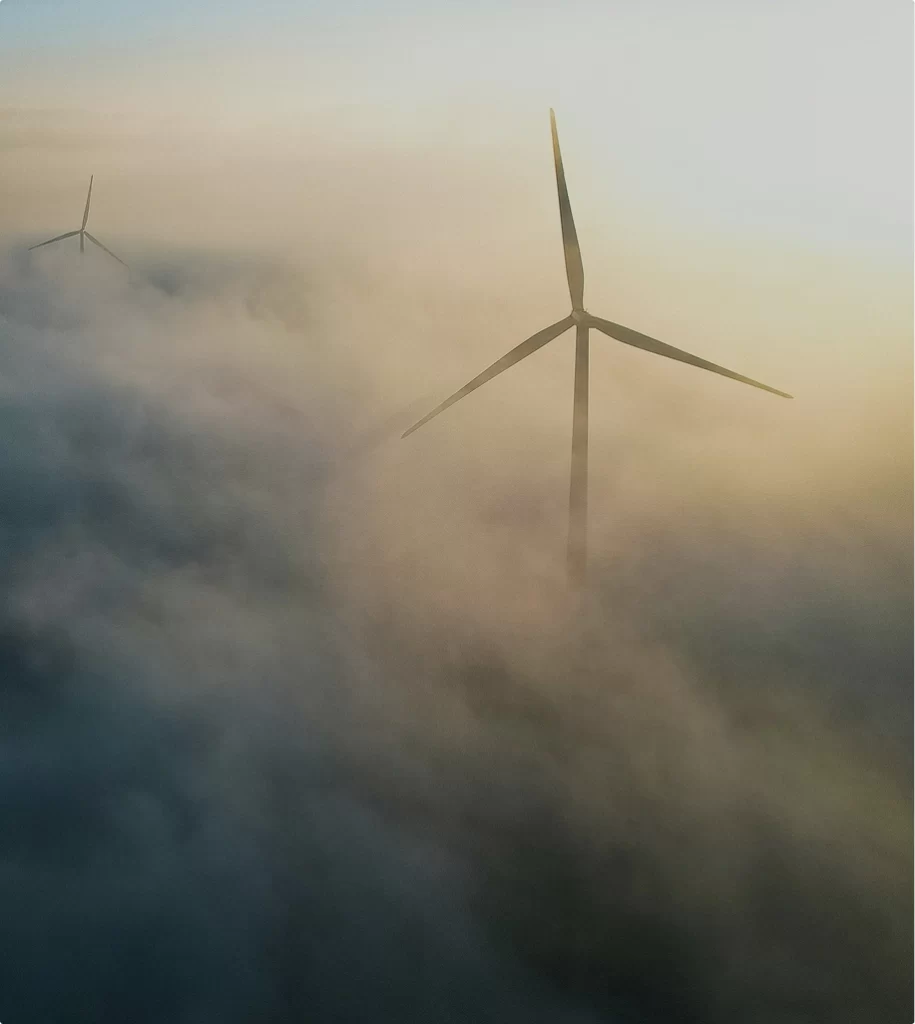
Clean Future
A clean future means cutting carbon emissions, phasing out fossil fuels, and making renewables like solar and wind accessible and affordable – not just for a few, but for everyone. It also means taking responsible consumption seriously: reducing waste at the source, reusing what can have a second life, and recycling in a way that actually works, not as an afterthought.
This isn’t just a technical challenge; it’s a cultural shift. Everyday people make a difference by choosing efficient transport, questioning what they buy, and demanding better from policymakers. Small brands can redesign products and packaging to minimize waste and champion circularity. Large companies can decarbonize operations, invest in clean technology, and set ambitious climate targets that go beyond box-ticking.
A clean future is built step by step, choice by choice.
Environment
Protecting the environment is about more than scenery; biodiversity keeps ecosystems functioning, regulates climate, and supports food and water systems. Preserving natural ecosystems and wildlife means protecting habitats before they disappear and standing firmly against land, air, and water pollution that harms every form of life, including our own.
Action here can be simple and local or large and systemic. Individuals can support conservation projects, reduce single-use plastics, and vote with their wallets. Small brands can rethink sourcing, avoid harmful materials, and restore more than they take. Big corporations can commit to nature-positive strategies, invest in restoration, and stop treating pollution as a byproduct that can be “offset” later.
The environment is not a backdrop—it’s the living foundation everything else rests on.
Progress
Progress is often framed as faster, bigger—but the kind of progress that lasts looks different. It’s green innovation that solves real problems without creating new ones, from energy-efficient technologies to smarter infrastructure. It’s education and inclusion that make knowledge, information, and digital tools available to everyone. It’s sustainable work that supports dignified jobs, resilient small businesses, and entrepreneurship that lifts communities.
Everyday people can learn new skills, support inclusive initiatives, and back innovators who put planet and people at the center. Small brands can experiment with greener solutions and fairer work conditions. Larger organizations can fund research, share knowledge openly, and design workplaces where sustainability and inclusion are the norm.
Progress becomes meaningful when it’s shared.
Wellbeing
Wellbeing is the health of communities, the fairness of systems, and the quality of everyday life. Community wellbeing means access to clean air and water, safe housing, healthcare, and spaces where people can connect and belong. Equality for all means fairness across gender, age, background, identity, and ability, so that opportunities aren’t reserved for a narrow few. Sustainable food ties it together, ensuring that what we eat supports both people and the planet through responsible, resilient agriculture.
Individuals might choose local, seasonal food, support inclusive initiatives, or speak up when they see injustice. Small brands can pay fair wages, champion inclusive storytelling, and work with responsible farmers and suppliers. Larger players can reshape supply chains, invest in regenerative agriculture, and build policies that genuinely support diversity and equity.
When wellbeing is shared, sustainability stops being a niche concern and becomes a natural way to live.

All is deeply connected: a clean future depends on a healthy environment; real progress must respect planetary limits; and wellbeing thrives when justice, nature, and innovation move in the same direction.
Why We
Need Change...
GREEN INNOVATION
Tree planting in European cities could cut heat-related health risks by over a third.
This improves public health and urban comfort by cooling cities naturally. Green innovation like smart urban planning, green roofs, and expanded tree networks makes it achievable. It also strengthens climate resilience.
PROTECT WILDLIFE
About 10% of Europe’s bee and butterfly species face extinction.
Declining pollinators disrupt ecosystems and threaten food systems. Protecting habitats, cutting pesticide use, and promoting pollinator-friendly practices are key to recovery.
BIODIVERSITY
Around 50 Mediterranean marine species are endangered - many in the Adriatic.
Losing marine species disrupts the balance of the Adriatic ecosystem and threatens biodiversity. Stronger protection, less pollution, and sustainable fishing can help preserve marine life.
EDUCATION & INCLUSION
About 6 in 10 people say they run into false information online every single week.
Social media lets anyone create and share various content. Through our initiatives, we can encourage quick fact‑checks, push platforms to flag false posts, and grow media literacy so people share more responsibly.
NO POLLUTION
Across Europe, more than 60% of people can no longer see the Milky Way.
Increasing light pollution is erasing access to natural night skies and weakening our connection to nature. Smarter lighting and the protection of dark-sky areas can help restore it.
CLEAN ENERGY
During the 2025 summer, electricity bills tripled for millions of Europeans.
During the 2025 European heatwave, electricity prices spiked by over 400 €/MWh in some regions. Solar energy supplied record amounts of power and kept the grid stable, providing a sustainable way to cool down.
COMMUNITY WELLBEING
Around 6 in 10 people feel anxious about climate crisis.
This affects mental wellbeing and can lead to disengagement or eco-fatigue. It can be addressed by promoting climate education, community action, and accessible solutions that empower individuals.
SUSTAINABLE WORK
The EU needs 1 million more green workers by 2030.
Without enough skilled workers, the green transition risks slowing down. Expanding training, education, and reskilling programs is essential to meet demand.
RESPONSIBLE CONSUMPTION
Humans ingest about 5 grams of microplastics weekly.
These tiny plastics can cause inflammation, hormonal disruptions, and increase risks of diseases like cancer. This can be prevented by choosing refillables, sustainable packing and supporting recycling innovations.
Shift Your Next Choice Into Real Impact
Gradient Shift offers simple step-by-step way to turn your ESG strategies into sustainable impact, whether you’re a small team or a global organization.